Healthcare Advertising Explained with 5 Best Examples in 2026
Healthcare Advertising is no longer just about visibility. In 2026, it sits at the intersection of trust, education, and timing. Advertisers are dealing with informed audiences who research deeply before making decisions. This has changed how healthcare ads are planned, placed, and evaluated.
What worked five years ago often fails today. Loud claims, rushed urgency, and generic creatives struggle to earn attention. Meanwhile, healthcare advertising examples that feel calm, clear, and relevant continue to outperform even with lower CPM traffic budgets. This article explains how healthcare advertising really works today and highlights five strong examples advertisers can learn from.

Promote Your Healthcare Brand – Get Started Instantly!
Why Healthcare Advertising Is Facing a Reset
Healthcare is one of the few industries where trust directly impacts revenue. A single misleading ad can damage credibility far beyond the campaign itself. Recent market studies show that more than seventy percent of patients distrust healthcare ads that feel exaggerated or sales-driven.
This has forced healthcare advertising companies to rethink their approach. The reset is not about spending less. It is about communicating better. Advertisers who adapt see higher engagement and longer-term brand lift without increasing pressure on users.
The Core Challenge for Healthcare Advertisers
The biggest challenge in healthcare advertising today is credibility fatigue. Audiences have seen too many ads promising instant results or miracle outcomes. As a result, even genuine healthcare ads struggle to gain belief.
From an advertiser's perspective, this creates inefficiency. Campaigns deliver impressions but fail to move users through the decision process. CPM traffic costs continue to rise while actual intent signals remain weak.
This problem is not limited to small clinics. Even established healthcare brands face declining engagement if their advertising feels disconnected from real patient concerns.
What Modern Healthcare Advertising Gets Right
Effective healthcare advertising today follows a simple principle. Explain first. Invite action later.
Instead of leading with appointments or offers, strong healthcare ads start by clarifying the problem they solve. They speak to uncertainty, confusion, or hesitation rather than pushing immediate conversion.
Advertisers who shift messaging toward education often see longer session times, better recall, and improved downstream conversions. This is not a theory. It is visible across the best healthcare ads running globally.
Smarter Advertising Without Pressure
Smarter healthcare advertising focuses on alignment. Message aligns with intent. Placement aligns with context. Format aligns with attention span.
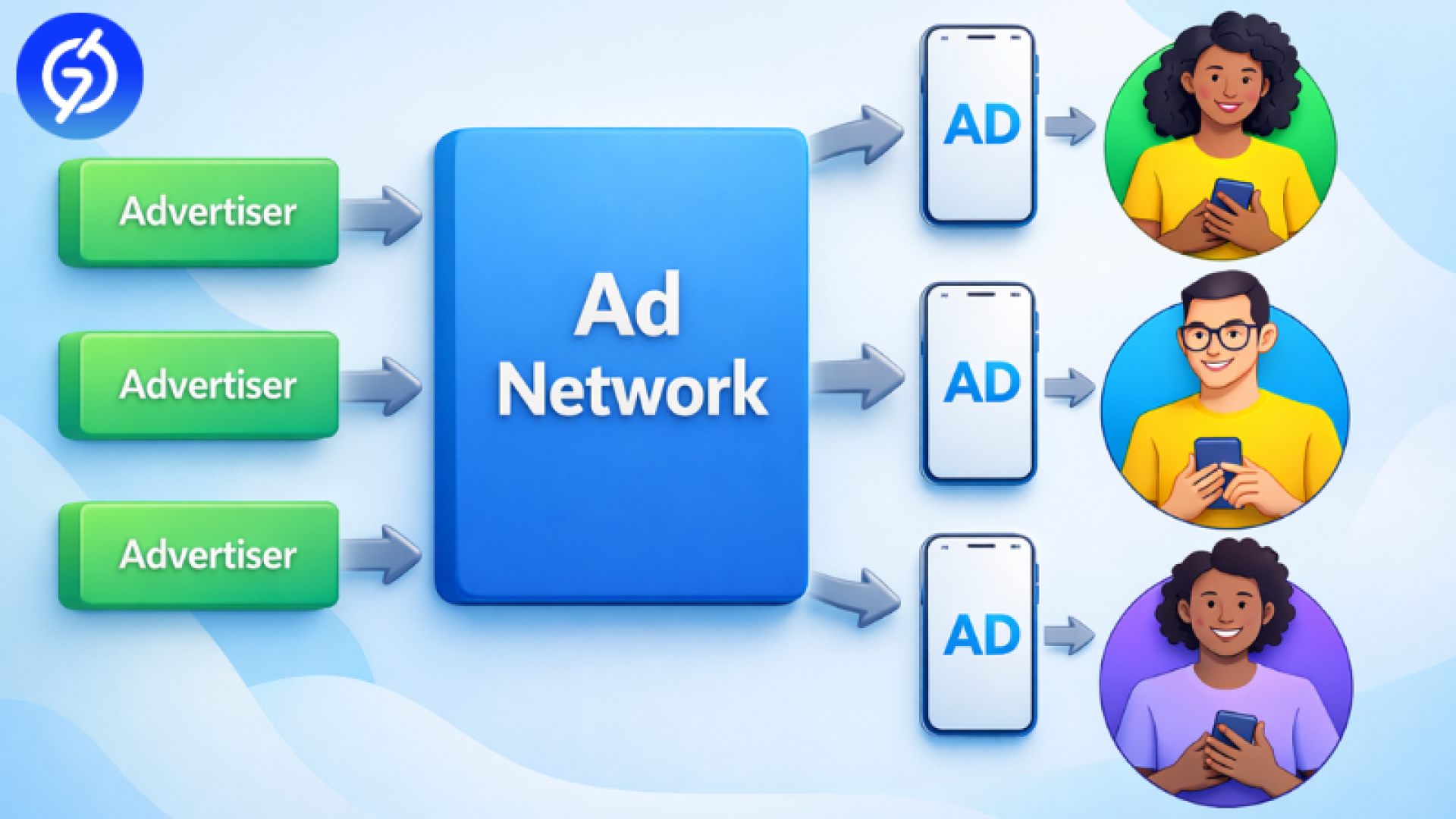
Using a healthcare ad platform or healthcare ad network allows advertisers to control where and how their message appears. When ads sit next to relevant health content, credibility improves naturally.
This approach does not eliminate performance goals. It simply respects the audience journey.
Healthcare Advertising Explained Through 5 Best Examples
Example 1: Mayo Clinic Education-Based Healthcare Ads
Mayo Clinic consistently delivers some of the best healthcare ads by focusing on education over promotion. Their healthcare advertising explains symptoms, treatment options, and care pathways in simple language.
Instead of asking users to book immediately, the ads position Mayo Clinic as a trusted source of information. This builds confidence before any call to action appears.
Advertisers can learn an important lesson here. When trust comes first, conversion follows naturally.
Example 2: NHS Public Health Awareness Campaigns
The NHS uses healthcare advertising examples that prioritize clarity and responsibility. Their ads avoid emotional manipulation and focus on helping people understand health decisions.
This approach works because it respects audience intelligence. Even with modest CPM traffic spend, these healthcare ads achieve strong recall and engagement.
For advertisers, this proves that simplicity can outperform aggressive tactics.
Example 3: Kaiser Permanente Integrated Care Messaging
Kaiser Permanente healthcare advertising focuses on continuity of care. Their ads show how different services connect rather than highlighting isolated treatments.
This storytelling approach helps audiences understand long-term value. It shifts perception from transactional healthcare to an ongoing partnership.
Healthcare advertisers can apply this by mapping services into clear patient journeys.
Example 4: Apollo Hospitals Digital Specialization Campaigns
Apollo Hospitals uses healthcare programmatic advertising to target audiences interested in specific specialties. Their healthcare ads educate users about treatment paths and outcomes without making exaggerated claims.
By aligning the message with intent, Apollo achieves higher engagement and qualified leads.
This shows how precision beats scale in healthcare advertising.
Example 5: WHO Global Health Information Ads
The World Health Organization sets a gold standard for healthcare advertising clarity. Their ads focus on facts, guidance, and public understanding.
There is no urgency, no promotion, and no pressure. Yet engagement remains high because the message is trusted.
For advertisers, this highlights the power of credibility-driven communication.
What These Healthcare Advertising Examples Have in Common
They Educate Before Selling
Every example prioritizes understanding over action. This reduces resistance and increases trust.
They Respect Context
Ads appear where users already seek health information. Context strengthens message impact.
They Avoid Overpromising
Clear language outperforms bold claims in healthcare advertising.
Healthcare Programmatic Advertising in Real Campaigns
Healthcare programmatic advertising allows advertisers to deliver the right message at the right moment. When used responsibly, it improves efficiency without increasing audience fatigue.
The key is restraint. Programmatic does not mean aggressive. It means relevant.
Advertisers who treat programmatic as a precision tool rather than a volume engine see stronger outcomes.
Choosing the Right Healthcare Ad Network
A healthcare ad network offers better control over placement, compliance, and audience relevance. This matters in healthcare advertising where trust is fragile.
General networks can deliver reach, but healthcare-specific networks deliver context. For advertisers focused on long-term brand value, this difference matters.
Common Healthcare Advertising Mistakes to Avoid
Rushing the Conversion
Healthcare decisions take time. Ads that push urgency too early often backfire.
Using Generic Visuals
Stock images reduce credibility. Real environments build trust.
Ignoring Compliance Signals
Clear disclaimers and accurate messaging protect both brand and audience.
The Role of CPM Traffic in Healthcare Advertising
CPM traffic still plays an important role in healthcare advertising when used strategically. Awareness campaigns benefit from reach, but only when message quality is high.
High CPM traffic without relevance leads to waste. Moderate spend with strong alignment delivers better results.
How Advertisers Should Measure Healthcare Advertising Success
Clicks alone are not enough. Advertisers should measure engagement, content interaction, and downstream actions.
Healthcare advertising success often appears later in the funnel. Patience and long-term tracking matter.
Conclusion
If you work in healthcare advertising, you already know this space is different. People are not shopping. They are deciding something personal.
The best healthcare ads in 2026 understand this. They slow down. They explain. They respect uncertainty instead of exploiting it.
As an advertiser, you do not need louder messaging. You need clearer thinking. When healthcare advertising focuses on trust and relevance, performance improves without pressure.
FAQ
What makes healthcare advertising effective
Ans. Clear education, honest messaging, and contextual placement define effective healthcare advertising.
Are healthcare ad networks better than general platforms
Ans. Healthcare ad networks provide better alignment with content and audience intent.
Does healthcare programmatic advertising still work
Ans. Yes, when used with precision and respect for the user journey.
How important is CPM traffic in healthcare advertising
Ans. CPM traffic matters for awareness, but relevance determines results.
What tone works best for healthcare ads
Ans. Calm, informative, and trustworthy tones perform best.