Promote Fitness Offers: Simple Steps to Increase Sales Quickly
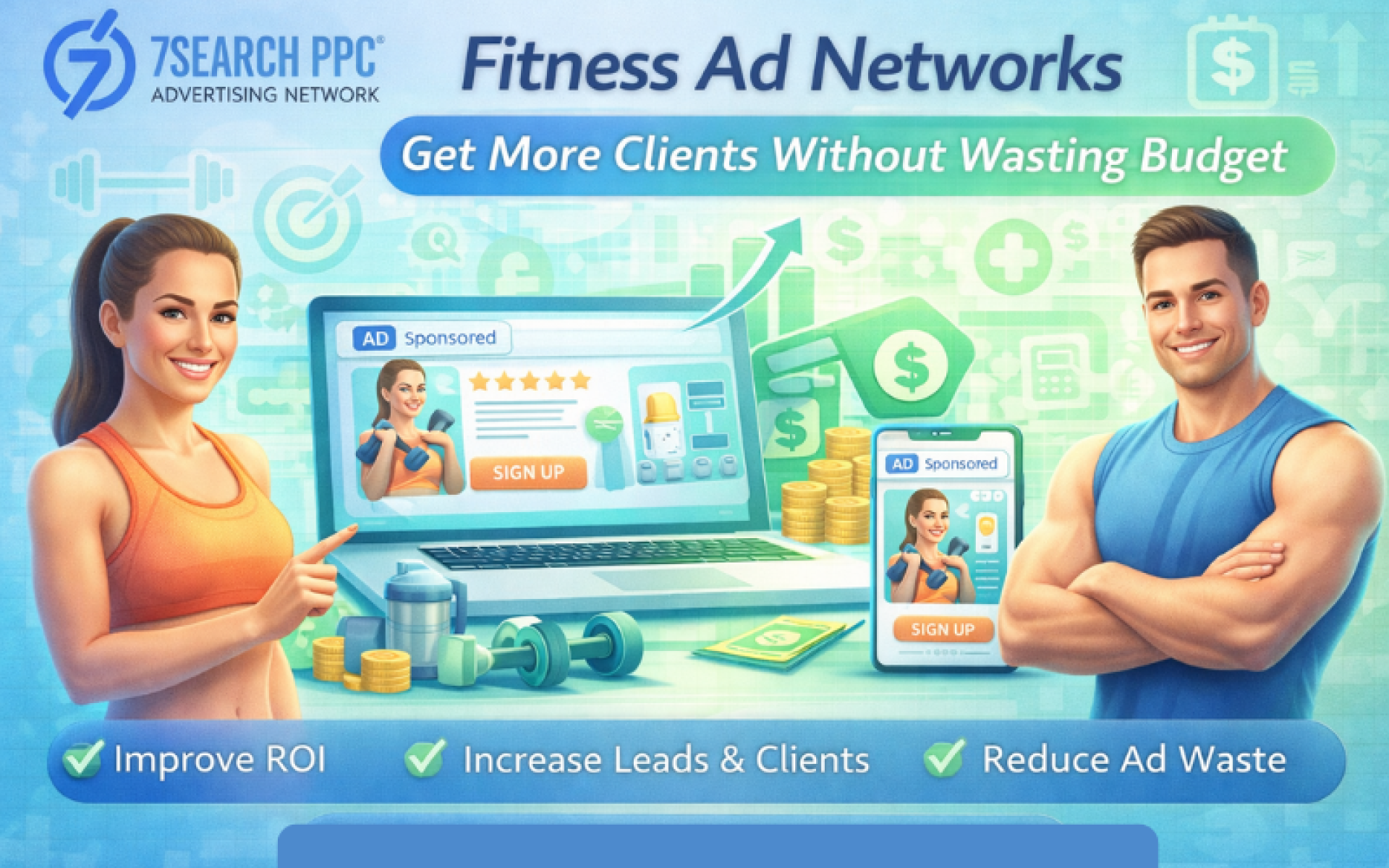
The fitness industry is no longer limited to large gym chains and premium health clubs. Today, even small local gyms, personal training studios, and wellness centers are competing for attention in a crowded digital space. One interesting shift many advertisers are noticing is that people rarely join a gym without researching online first. They compare pricing, check reviews, and look at available offers before making a decision.
This is exactly why learning how to Promote Fitness Offers has become an essential skill for advertisers working in the wellness space. Fitness businesses that actively promote their membership deals and wellness programs often maintain stronger growth compared to those that depend only on walk-in visitors.
At the same time, advertising fitness services is not just about offering discounts. Successful campaigns usually focus on positioning the offer in a way that highlights value, accessibility, and long term benefits rather than short term price cuts.
This is where many advertisers begin to see the difference between random promotions and structured fitness marketing strategies.
.png)
The Real Advertising Problem Many Fitness Businesses Face
Many gym owners and fitness advertisers invest in promotions, expecting fast signups. When results do not match expectations, they often assume the market is saturated or that customers are not interested.
In reality, the problem usually comes from how the offers are promoted rather than the offers themselves.
A common mistake is promoting offers without understanding audience motivation. Some people join gyms for weight management. Others want strength training. Some want community motivation. If advertising does not connect with these goals, engagement often remains low.
Start Promoting Fitness Offers and Grow Your Business Fast!
Another challenge is visibility. Even strong offers can fail if the right audience never sees them. This is why many advertisers begin researching promote fitness offers for local gyms instead of relying only on organic reach.
Cost control is another concern. Rising advertising costs often make advertisers cautious. Without testing strategies, campaigns can quickly become expensive experiments instead of predictable investments.
What Experienced Fitness Advertisers Usually Discover
After testing multiple campaigns, experienced advertisers usually reach a practical conclusion. Fitness marketing works best when it feels helpful rather than promotional.
This may sound simple, but it changes how successful campaigns are built.
Instead of focusing only on discounts, high-performing campaigns often highlight:
How easy it is to get started
How fitness improves daily life
How programs fit busy schedules
How community support helps consistency
How flexible memberships reduce risk
These small positioning changes often make online fitness offers to attract members more effective than simple discount advertisements.
Understanding the Psychology Behind Fitness Promotions
Fitness decisions are rarely impulsive. Most potential members think about joining long before they actually sign up. Advertisers who understand this usually build campaigns that nurture interest rather than force quick decisions.
Many successful Fitness Advertisements focus on progress rather than perfection. Instead of showing extreme transformations, they focus on achievable improvements.
This makes advertising feel realistic and trustworthy.
Another insight many advertisers learn is that consistent messaging often performs better than intensity messaging. People respond better to routines they believe they can maintain.
This type of learning often comes only after running several campaigns and observing engagement patterns.
Traffic Sources That Can Help Fitness Campaigns Grow
Choosing the right traffic source can make a major difference in campaign performance. Not every advertising platform produces the same engagement quality.
Many advertisers test CPC Traffic sources because they allow targeting people actively searching for gym memberships, personal training, or wellness programs. Intent-based traffic often produces better signup rates than general advertising impressions.
Push Ad Networks are also tested by some advertisers because they allow fitness brands to stay visible through repeat notifications. This repeated exposure sometimes improves conversion rates because potential members often need time before committing.
Healthcare ad environments are also sometimes used because audiences already interested in health improvement are more likely to engage with wellness offers.
The key lesson most advertisers learn is simple. Traffic quality usually matters more than traffic volume.
A Practical Testing Approach Many Advertisers Use
Experienced fitness advertisers rarely start with large budgets. Instead, they test small campaigns to understand behavior patterns.
This might include testing multiple ad messages, comparing offer types, or adjusting audience targeting.
Some advertisers also explore platforms such as 7searchppc to test keyword-driven campaigns related to gym memberships, personal training programs, and wellness services. Platforms like this sometimes allow advertisers to measure engagement before committing larger advertising budgets.
This type of controlled testing helps advertisers identify which fitness promotion offers for health clubs generate real interest instead of guessing campaign direction.
Testing may feel slow, but it usually prevents expensive mistakes.
How to Structure Fitness Offers That Attract Attention
Fitness offers that perform well usually balance value and simplicity. Complicated offers often confuse potential members.
Examples of structures that often work include limited-time joining benefits, trial access, flexible plans, and bundled wellness services.
Many advertisers find that affordable fitness offers to increase signups often outperform large discounts because they feel more accessible.
Advertisers also notice that messaging clarity often matters more than creative design. A simple, clear message often outperforms visually complex ads.
This is why fitness membership offers marketing strategies that often focus on communication clarity before visual redesign.
Optimization Habits That Improve Fitness Advertising Results
Advertisers who generate consistent results often follow simple optimization habits.
They monitor engagement regularly.
They update ads when performance drops.
They test different audience groups.
They improve the signup experience.
They focus on retention messaging.
These habits often improve Fitness Performance Ads over time without dramatically increasing spending.
Consistency in optimization usually produces stronger results than one-time creative changes.
Common Mistakes That Reduce Fitness Campaign Performance
Many fitness businesses unintentionally reduce their own advertising performance through avoidable mistakes.
Promoting too many offers
Focused offers usually convert better than multiple competing promotions.
Ignoring beginner concerns
Many potential members hesitate because they feel unsure about starting.
Weak local targeting
Local gyms benefit most from geographic targeting.
Stopping campaigns too early
Campaigns often need time for optimization.
Over-focusing on price
Value messaging often works better than discount messaging alone.
Avoiding these mistakes alone can improve digital ads to promote gym discounts.
The Future Direction of Fitness Advertising
The fitness advertising landscape continues to evolve as wellness awareness increases. Advertisers are watching several trends.
Growth of personalized training programs.
Hybrid online and offline fitness models.
Preventive wellness positioning.
Community-based marketing.
Data-driven targeting improvements.
Fitness businesses that adapt to these trends often maintain stronger long term growth compared to those using outdated promotion methods.
Conclusion
If you ask gym owners what they learned from their first advertising campaigns, many will say the same thing. At the beginning, it feels uncertain. Some ads work. Others do not. Sometimes results feel unpredictable.
What usually changes things is when advertisers stop looking for quick wins and start focusing on understanding what potential members actually respond to. Once messaging becomes clearer and targeting improves, results often become more stable.
If your goal is to Promote Fitness Offers successfully, the most practical advice is to stay consistent with testing and realistic with expectations. Fitness advertising is rarely about one perfect campaign. It is usually about improving small things step by step.
Most successful fitness advertisers are not doing anything complicated. They simply pay attention to what works, improve what does not, and stay patient while campaigns mature. That approach continues to work because good marketing has always been about understanding people first and selling second.
Frequently Asked Questions
What does it mean to Promote Fitness Offers?
Ans. Promoting fitness offers means advertising gym memberships, wellness programs, and training services to attract new members and increase engagement.
What are effective ways to promote fitness offers for local gyms?
Ans. Local targeting, clear value communication, trial offers, and simple signup processes usually improve campaign performance.
Do online fitness offers really attract new members?
Ans. Yes. Many potential members research gyms online before joining, which makes digital promotion important.
Can CPC Traffic help fitness advertising?
Ans. CPC Traffic can help advertisers reach audiences actively searching for fitness programs and membership opportunities.
Are Push Ad Networks useful for fitness campaigns?
Ans. Some advertisers use Push Ad Networks to maintain visibility and remind potential members about available offers.
Can advertisers test fitness campaigns on 7Search PPC?
Ans. Some advertisers explore www.7searchppc.com to test keyword-based campaigns related to gym memberships and wellness services before expanding budgets.
How long does it take to see results from fitness ads?
Ans. Results vary depending on testing, targeting, and optimization. Many campaigns improve gradually as advertisers refine their approach.