Pharmacy Ads Designed to Scale Revenue, Not Just Traffic
If you work in healthcare marketing, you have probably seen it happen more than once. A pharmacy launches a new campaign, clicks start flowing in, dashboards look healthy, and everyone feels optimistic. Then the revenue report comes in. Sales are flat. Prescriptions have not moved. The return on ad spend does not justify the budget.
This is where Pharmacy Ads need a different mindset. The industry is no longer in a phase where visibility alone creates growth. Between strict regulations, rising acquisition costs, and smarter consumers, pharmacies now need advertising that is designed to convert attention into actual business outcomes.
In this article, we will look at how advertisers in the pharmacy and pharmaceutical space can move beyond surface-level metrics. You will find real-world examples, practical insights, and proven strategies that focus on revenue impact, not just impressions or clicks.

The Shift From Clicks to Clinical Value
Healthcare advertising has changed more in the last five years than in the previous two decades. According to industry benchmarks from multiple ad networks, the cost per click for pharmaceutical ads has increased by over 40 percent in many competitive regions. At the same time, consumer trust has become harder to earn, especially for online healthcare services.
This shift has forced advertisers to rethink their approach to pharma advertising. Instead of asking, “How do we get more traffic?” successful teams now ask, “How do we get the right patients, the right prescriptions, and the right lifetime value?”
One regional pharmacy chain in Southeast Asia provides a good example. They were running online pharma ads across search and display networks, driving nearly 50,000 monthly visits to their website. However, less than 2 percent of those visits resulted in prescription orders or in store visits. After redesigning their campaign around patient intent rather than keywords alone, their traffic dropped by 30 percent, but their monthly revenue nearly doubled.
The lesson is simple. Not all traffic is equal, especially in pharmaceutical ads where trust, compliance, and relevance matter more than raw volume.
High Spend, Low Conversion in Pharma Advertisement Campaigns
One of the most common challenges advertisers face when they advertise pharma business online is wasted spend. Campaigns are often set up using broad targeting, generic messaging, and aggressive bids. This approach can bring visibility, but it also attracts users who are not ready or even legally able to convert.
For example, a digital pharmacy in India was using a CPA advertising platform to promote chronic care medications. Their ads were appearing on lifestyle blogs, coupon sites, and general health forums. Click-through rates looked decent, but conversion rates stayed below one percent. When they audited their traffic sources, they found that a large share of users were students and casual browsers rather than patients or caregivers.
This is where buying traffic without understanding user intent becomes expensive. In pharmaceutical ads, every click has a compliance and operational cost. The pharmacy still needs to verify prescriptions, manage logistics, and provide customer support, even if the user never completes an order.
The pain point is not a lack of ad platforms or networks. It is a lack of alignment between where the ad appears, what the message says, and what the user is actually looking for.
Register Your Pharmacy with a Trusted Ad Network
Why Context Beats Scale in Pharmacy Ads
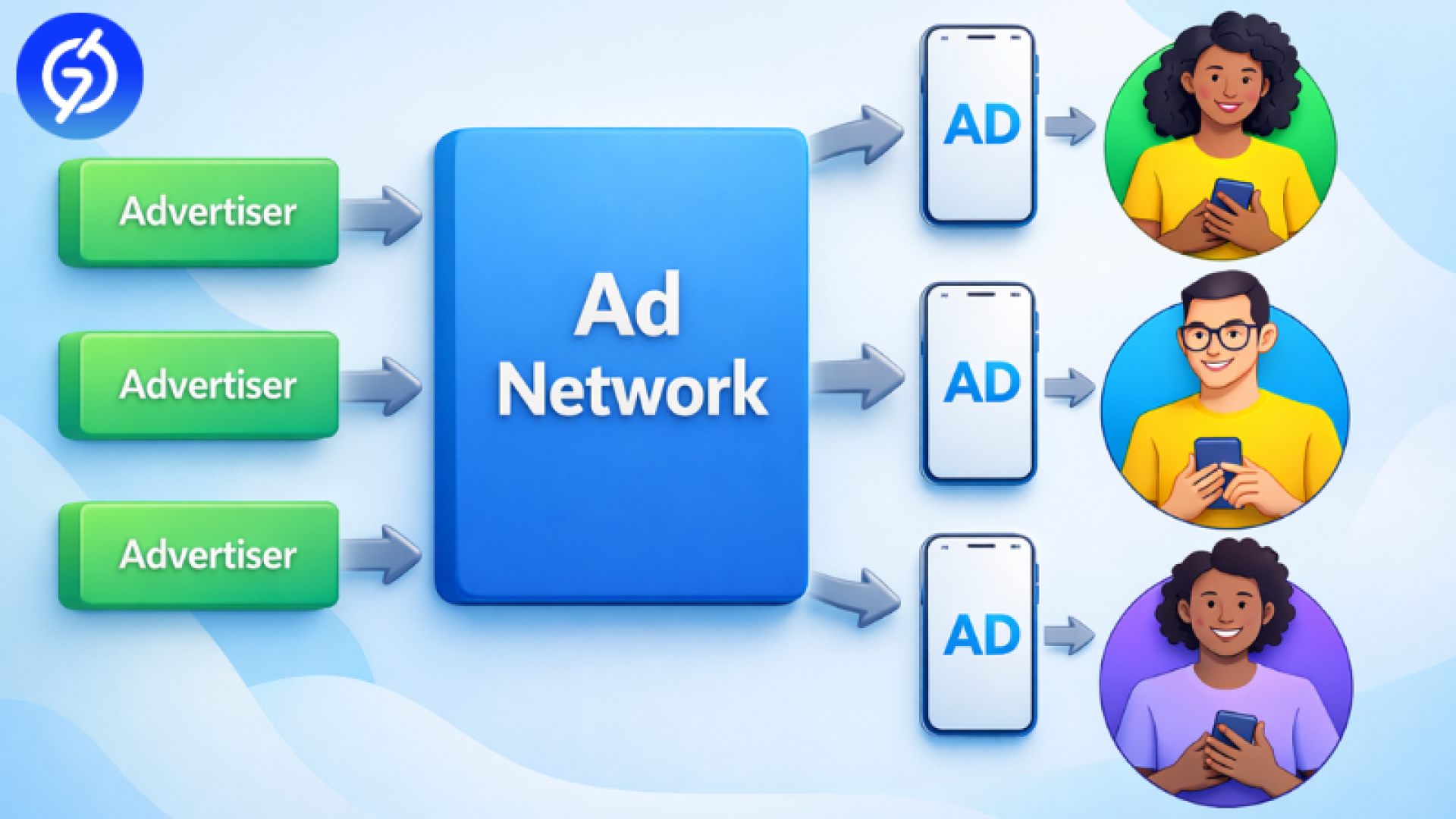
One insight that often surprises new healthcare advertisers is that smaller, more focused campaigns can outperform large-scale ones. This is especially true when using a push ad network or niche pharmaceutical platforms.
Let’s look at a case study from a European online pharmacy that specializes in dermatology products. Instead of running best pharma ads across broad health categories, they partnered with a CPA advertising platform that had access to skincare-focused publishers and medical content portals. Their reach was limited compared to mainstream ad networks, but their audience was highly relevant.
The result was a 3.5 times increase in average order value and a 60 percent reduction in cost per acquisition. The ads were not flashy. They focused on real patient outcomes, dermatologist recommendations, and transparent pricing. This created trust before the user even landed on the website.
The takeaway here is that in pharma paid ads, context is often more valuable than scale. Appearing in the right environment can do more for conversions than showing up everywhere.
Designing Campaigns Around the Patient Journey
Instead of thinking in terms of campaigns and channels, high-performing advertisers map their pharmacy ads to the patient journey. This means understanding what a user needs at each stage and aligning the message accordingly.
Stage One: Awareness With Purpose
At the awareness stage, many pharma advertisement campaigns focus on brand exposure. While this has value, it is more effective to tie awareness to a specific problem. For example, instead of promoting a pharmacy as “fast and reliable,” a campaign could highlight solutions for “managing diabetes prescriptions without monthly clinic visits.”
This approach attracts users who already have a defined need, making them more likely to move forward in the journey.
Stage Two: Consideration Through Education
During the consideration phase, trust becomes critical. This is where pharmaceutical ads can stand out by offering real information rather than promotional language. Examples include dosage guides, pharmacist Q and A content, or short videos explaining how prescription delivery works.
One U.S. based online pharmacy used this method on a push ad network. Instead of sending users directly to a product page, they linked to a pharmacist-written guide on managing asthma medication. The guide included a subtle call to action for prescription fulfillment. Their conversion rate doubled within two months.
Stage Three: Conversion With Confidence
At the conversion stage, friction is the enemy. Make sure your landing pages clearly explain prescription requirements, delivery timelines, and customer support options. Transparency here reduces drop-offs and builds long-term trust.
Using Synonym Keywords Strategically Without Losing Authenticity
When working in pharmacy advertising, it is tempting to stuff campaigns and content with keywords like online pharma ads or best pharmacy ads. While these terms have their place, authenticity matters more to both users and platforms.
Search engines and ad networks increasingly reward content that reflects real expertise. This means using synonym keywords naturally within a meaningful context. For example, when discussing advertised pharma business strategies, tie the phrase to a real operational decision, such as choosing between local delivery partnerships or national logistics providers.
This approach not only improves visibility but also positions your brand as a credible player in a highly regulated space.
Real World Example: Turning a Push Ad Network Into a Revenue Channel
A mid-sized pharmacy in the Middle East was skeptical about using a push ad network. They had previously relied on search and social ads, which were becoming more expensive each quarter. After a small test campaign, they discovered something interesting.
Instead of promoting specific medications, they ran pharmaceutical ads focused on their home delivery service and pharmacist consultation hotline. The ads appeared on mobile news apps and health-related content feeds. Users who clicked were not necessarily looking for a product, but they were open to the idea of easier access to healthcare.
Within three months, the pharmacy saw a 25 percent increase in repeat customers. While the initial cost per lead was slightly higher, the lifetime value of those customers made the channel profitable.
This shows how alternative traffic sources, when used strategically, can become long-term revenue drivers rather than just experimental channels.
Expert Lite Perspective: Measuring What Actually Matters
Many advertisers still measure success in pharmacy ads using metrics like impressions, clicks, and even basic conversion rates. While these are useful, they do not tell the full story.
More mature teams look at metrics such as:
- Prescription fulfillment rate
- Repeat order frequency
- Average order value by channel
- Customer lifetime value
For example, a digital pharmacy in Australia discovered that their pharma paid ads on a niche health forum generated fewer orders than their search campaigns, but those customers reordered twice as often. When they shifted the budget accordingly, their overall monthly revenue increased without increasing ad spend.
This kind of insight only comes from connecting marketing data with operational and sales data. It requires collaboration between marketing teams, pharmacists, and customer support, but the payoff is significant.
Common Mistakes in Pharmaceutical Ads and How to Avoid Them
Overpromising in Ad Copy
Healthcare consumers are sensitive to exaggerated claims. Overpromising may increase click-through rates in the short term, but it damages trust and can lead to compliance issues.
Ignoring Regional Regulations
Different regions have different rules around pharmaceutical ads. A campaign that works in one country may be restricted in another. Always align your messaging with local regulatory guidelines.
Sending Traffic to Generic Landing Pages
Users who click on a specific ad expect a specific answer. If your ad mentions prescription delivery, do not send them to a general homepage. This small mismatch can significantly reduce conversions.
Conclusion: A Real Conversation About Growth
Let’s be honest for a moment. Running pharmacy ads that actually grow revenue is not easy. It takes more than a good headline, a decent budget, or the latest platform. It takes patience, testing, and a willingness to listen to what your customers are really telling you through their actions.
If you start thinking of advertising as part of the healthcare experience rather than just a sales tool, things change. Your messages become more helpful. Your targeting becomes more thoughtful. And your results become more meaningful.
At the end of the day, the pharmacies that win are not the ones with the most traffic. They are the ones with the most trust, the most loyal customers, and the clearest understanding of why people choose them in the first place.
FAQ
What makes pharmacy ads different from regular ecommerce ads?
Ans. Pharmacy ads operate in a regulated environment where trust, compliance, and patient safety matter as much as pricing and convenience. Unlike regular ecommerce, you often need to consider prescription verification, legal restrictions, and medical accuracy in your messaging.
Are push ad networks effective for pharmaceutical ads?
Ans. They can be, when used correctly. Push ad networks work best for promoting services like consultations, delivery options, or educational content rather than direct product sales. The key is aligning the message with the mindset of the audience.
How do I choose the right CPA advertising platform?
Ans. Look for platforms that have experience in healthcare or pharma advertising. Ask about their publisher network, compliance support, and tracking capabilities. A platform that understands your industry will save you time and reduce risk.
What budget should I start with for online pharma ads?
Ans. Start with a test budget that allows you to gather meaningful data over at least two to four weeks. Focus on learning which channels and messages drive not just clicks, but actual prescription orders and repeat customers.
How can I improve trust through pharmaceutical ads?
Ans. Use clear language, avoid exaggerated claims, and highlight real elements like pharmacist support, verified sourcing, and transparent processes. Trust grows when users feel informed rather than persuaded.